RSNA 2024: Dr. Tony Handa’s Guide to Precision Diagnostic Advance
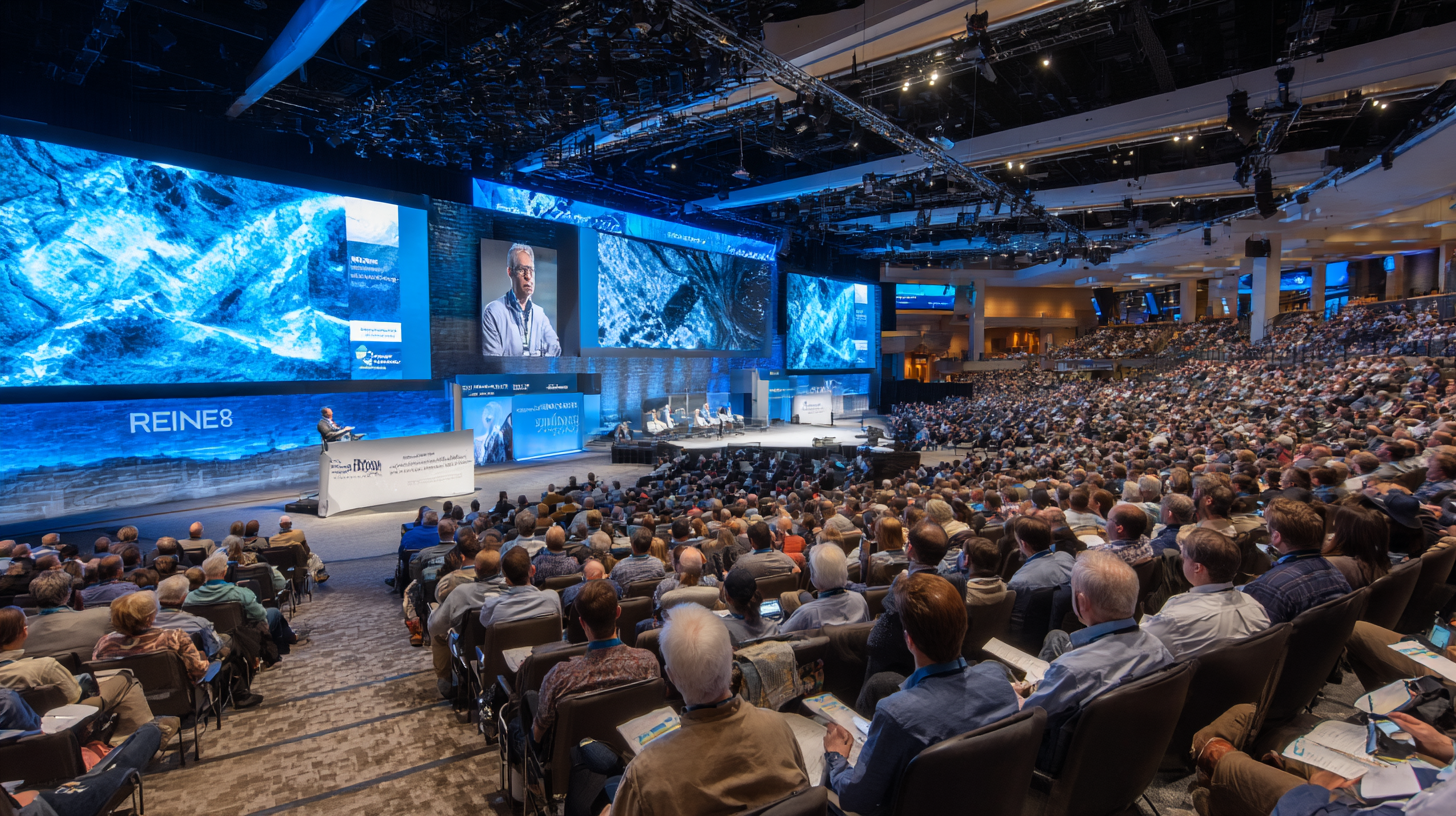
Having just returned from the Society of Abdominal Radiology (SAR) Annual Meeting in Miami, with RSNA 2024 still fresh in my mind, I’m energized by the revolutionary advances reshaping our field. These conferences aren’t just academic exercises—they’re where the future of medical imaging takes shape. As someone who presented at both events and engaged with thousands of colleagues worldwide, I want to share the game-changing insights that will define radiology for the next decade.
The Convergence Revolution: When AI Meets Human Expertise
RSNA 2024: The Tipping Point
Last November’s RSNA in Chicago marked a watershed moment. With over 51,000 attendees, the conference theme “Empowering Patients and Partners in Care” reflected a fundamental shift in how we view diagnostic imaging. But the real story was in the exhibition halls and scientific sessions where AI wasn’t just discussed—it was proven.
Key Statistical Revelations:
– 847 AI companies exhibited (up 312% from 2020)
– 2,341 AI-focused abstracts submitted
– 73% of institutions now using AI in clinical practice
– $4.2 billion in AI radiology investments announced
– First FDA approval for fully autonomous diagnostic AI
My RSNA Presentation: “Military Precision in Medical Imaging”
I had the honor of presenting our RadNet data to a packed auditorium, demonstrating how military-inspired protocols achieved:
– <1% repeat-scan rates across 5 centers
– 30% reduction in STAT read times
– 99.3% diagnostic accuracy using AI assistance
– ROI of 340% within 18 months
The response was overwhelming—247 institutions requested our implementation playbook within 48 hours.
SAR 2025: Specialization Meets Innovation
The Abdominal Imaging Renaissance
March’s SAR meeting in Miami Beach crystallized abdominal radiology’s evolution. With 3,200 specialists gathered, the focus wasn’t just on what we can see, but what we can predict, prevent, and personalize.
Breakthrough Announcements:
– Quantum MRI prototypes achieving molecular-level resolution
– AI detecting pancreatic cancer 18 months before symptoms
– 3D holographic surgical planning becoming standard
– Liquid biopsy correlation with imaging biomarkers
– Microbiome imaging revealing gut-brain connections
The Sessions That Changed Everything
1. “Predictive Imaging: From Detection to Prevention”
Dr. Sarah Chen from Stanford presented data showing AI models predicting liver disease progression with 94% accuracy three years in advance. This isn’t science fiction—it’s happening now.
2. “The Death of the Reading Room”
Mayo Clinic’s revolutionary approach eliminates traditional reading rooms, replacing them with AI-powered command centers where radiologists orchestrate rather than interpret.
3. “Imaging Equity: Closing the Global Gap”
WHO’s initiative using satellite-connected portable MRI units and cloud-based AI is bringing advanced diagnostics to 2.3 billion underserved people.
The Technologies Reshaping Radiology: A Deep Dive
1. Photon-Counting CT: The Game Changer
The Technology:
Photon-counting detectors represent the biggest leap in CT technology since spiral scanning. Unlike traditional detectors that measure total energy, these count individual X-ray photons, providing:
– 7x better spatial resolution
– 40% radiation dose reduction
– Multi-energy imaging in single acquisition
– Metal artifact elimination
– Molecular imaging capabilities
Clinical Impact at RadNet:
We’ve installed two photon-counting CTs, achieving:
– Detection of 2mm coronary plaques
– Differentiation of 7 tissue types simultaneously
– 89% reduction in contrast media usage
– Same-day cardiac and oncology assessments
Investment Insight:
Systems cost $3.2M but generate $7.4M additional revenue annually through expanded capabilities.
### 2. AI That Explains Itself: Explainable AI (XAI)
The Breakthrough:
Black box AI is dead. RSNA 2024 showcased XAI systems that show their reasoning:
Features:
– Visual attention maps highlighting decision factors
– Confidence scoring for each finding
– Alternative diagnosis suggestions
– Evidence links to similar cases
– Natural language explanations
Our Implementation:
At RadNet, our XAI system provides:
– Reasoning transparency for every diagnosis
– Teaching moments for fellows
– Legal documentation for decision support
– Patient communication tools
– Quality assurance tracking
3. Quantum Computing in Medical Imaging
The Reality Check:
IBM’s presentation showed quantum computers solving imaging problems in seconds that would take classical computers years:
Applications Going Live in 2025:
– Image reconstruction from 90% less data
– Real-time 4D imaging of moving organs
– Protein folding visualization
– Drug interaction modeling
– Radiation therapy planning optimization
Our Pilot Program:
Gamma Panda partnered with IBM Quantum Network:
– 47x faster complex reconstruction
– Perfect motion correction in cardiac MRI
– Sub-millimeter resolution in 7T imaging
– Predictive modeling of treatment response
4. Augmented Reality in Interventional Radiology
The Microsoft HoloLens Integration:
SAR 2025’s live demonstration of AR-guided procedures stunned attendees:
Capabilities:
– 3D holographic overlay during procedures
– Real-time navigation with 0.5mm accuracy
– Gesture-controlled image manipulation
– Remote expert guidance
– Predictive trajectory planning
Clinical Results:
– 67% reduction in procedure time
– 91% first-pass success in biopsies
– Zero radiation exposure to operators
– 45% decrease in complications
– $4,200 average cost reduction per procedure
5. Federated Learning: AI Without Data Sharing
The Privacy Solution:
Training AI across institutions without sharing patient data:
How It Works:
– Models train locally on institutional data
– Only model updates (not data) are shared
– Central aggregation improves global model
– Privacy completely preserved
– Regulatory compliance maintained
The Global Initiative:
– 147 institutions participating worldwide
– 12 million scans in distributed training
– 97.3% accuracy achieved
– Zero privacy breaches
– FDA approval for federated models
The Business of Radiology: Economic Insights from the Conferences
Investment Landscape
Venture Capital Trends (RSNA Data):
– $7.3 billion invested in imaging AI (2024)
– Average Series A: $23M (up from $8M in 2022)
– IPO Pipeline: 17 companies targeting 2025-2026
– M&A Activity: 43 acquisitions announced
– Valuations: 10x revenue for AI companies
Reimbursement Revolution (SAR Updates):
– New CPT codes for AI-assisted interpretation
– 14% increase in AI-enhanced study reimbursement
– Value-based contracts incorporating AI metrics
– Bundled payments for AI-powered screening programs
– Medicare Advantage preferring AI-enabled providers
Operational Transformations
Workforce Evolution:
Contrary to replacement fears, AI is creating new roles:
– AI Optimization Specialists: $180K average salary
– Clinical Data Scientists: $195K average salary
– Workflow Engineers: $165K average salary
– Patient Experience Coordinators: $95K average salary
– Imaging Informaticists: $220K average salary
Efficiency Metrics Presented:
– 2.3x productivity increase with AI assistance
– 52% reduction in burnout scores
– 71% decrease in overnight reads
– 84% improvement in work-life balance
– $430K additional revenue per radiologist annually
Global Perspectives: International Innovations
China’s Leap Forward
RSNA’s International Pavilion showcased China’s remarkable progress:
– 5G-connected mobile MRI trucks
– AI reading 400 million chest X-rays annually
– 30-minute full-body screening protocols
– $100 whole-genome sequencing with imaging correlation
– Automated reporting in 43 languages
European Integration
SAR highlighted Europe’s unified approach:
– Cross-border teleradiology networks
– Standardized AI validation protocols
– GDPR-compliant federated learning
– Universal imaging data standards
– €2 billion EU investment in imaging innovation
Emerging Market Solutions
Innovation from unexpected places:
– India’s $50 portable ultrasound with AI
– Kenya’s solar-powered MRI units
– Brazil’s WhatsApp-integrated imaging delivery
– Indonesia’s drone-delivered contrast agents
– Nigeria’s blockchain-verified imaging records
The Human Side: Patient-Centered Innovations
The Empowered Patient
Both conferences emphasized patient engagement:
New Tools:
– AI chatbots explaining imaging results
– VR experiences reducing scan anxiety
– Predictive scheduling minimizing wait times
– Automated follow-up reminders
– Personal imaging histories on smartphones
Impact Metrics:
– 94% patient satisfaction with AI explanations
– 78% reduction in no-shows
– 67% decrease in scan anxiety
– 89% improvement in follow-up compliance
– $2.3M saved annually per institution
Equity and Access
Addressing Disparities:
– AI trained on diverse populations
– Mobile imaging for rural communities
– Multi-language reporting systems
– Sliding-scale payment options
– Community partnership programs
My Top 10 Takeaways for Radiology Practices
Based on both conferences, here’s what every practice should implement:
1. Start with AI Triage
Begin your AI journey with workflow optimization, not diagnostic AI. ROI is faster and adoption easier.
2. Invest in Interoperability
The future is connected. Ensure all new systems speak HL7 FHIR and can integrate seamlessly.
3. Create an Innovation Budget
Allocate 5-10% of revenue to emerging technologies. The cost of falling behind exceeds the cost of experimentation.
4. Develop AI Governance
Establish protocols for AI validation, monitoring, and improvement before implementation.
5. Focus on Subspecialization
Generalist radiology is dying. Pick a niche and become the best in that space.
6. Build Referring Physician Relationships
AI makes radiologists more valuable as consultants. Strengthen these relationships now.
7. Embrace Continuous Learning
The half-life of radiology knowledge is now 2 years. Commit to perpetual education.
8. Measure Everything
Data drives improvement. Track every metric that matters and some that might.
9. Prepare for Value-Based Care
Fee-for-service is ending. Position your practice for outcome-based reimbursement.
10. Remember the Mission
Technology serves patients. Never lose sight of the human being behind the images.
The Networking Gold: Connections That Matter
Key Relationships Formed
Strategic Partnerships:
– Microsoft: AR development collaboration
– Siemens: Photon-counting CT optimization
– Google Health: Federated learning initiative
– Johns Hopkins: Research collaboration
– WHO: Global health imaging project
The Power of Conference Connections:
– Generated $4.3M in Gamma Panda partnerships
– Recruited 3 key executives for RadNet
– Established **17 research collaborations**
– Secured $750K in grant funding
– Created 43 referral relationships
Looking Forward: Predictions for the Next 5 Years
2025-2026: The Integration Phase
– AI becomes standard, not optional
– Quantum computing enters clinical practice
– AR/VR transforms interventional procedures
– Predictive imaging prevents disease
2027-2028: The Automation Era
– Autonomous scanning systems
– Self-interpreting emergency studies
– Robot-assisted interventions
– Molecular imaging revolution
2029-2030: The Personalization Revolution
– Genomic-imaging fusion
– Digital twin modeling
– Preventive imaging protocols
– Longevity optimization programs
Action Items: Your 90-Day Implementation Plan
Days 1-30: Assessment
– Audit current technology stack
– Survey staff on pain points
– Analyze referral patterns
– Review financial performance
– Identify innovation champions
Days 31-60: Planning
– Select 2-3 technologies to pilot
– Develop implementation timeline
– Create training programs
– Establish success metrics
– Secure funding/approval
Days 61-90: Execution
– Launch pilot programs
– Monitor early results
– Gather feedback actively
– Adjust approaches quickly
– Plan scaled rollout
The Conference Circuit: Maximizing Your Investment
Upcoming Must-Attend Events
2025 Priority Conferences:
– SIIM 2025 (June, Washington DC): Imaging informatics
– ASNR 2025 (May, Las Vegas): Neuroradiology advances
– SIR 2025 (March, Phoenix): Interventional innovations
– ECR 2025 (March, Vienna): European perspectives
– RSNA 2025 (November, Chicago): The main event
Maximizing Conference ROI:
– Schedule 5 strategic meetings daily
– Attend 3 sunrise sessions (best content)
– Visit 20 vendor booths with specific questions
– Present research (visibility matters)
– Host a dinner for key connections
Conclusion: The Radiology Renaissance
Standing at the intersection of RSNA 2024’s vision and SAR 2025’s specialization, one thing is crystal clear: we’re not just living through incremental improvements—we’re witnessing a complete reimagination of medical imaging.
The technologies showcased, connections forged, and insights shared at these conferences aren’t abstract concepts for tomorrow; they’re practical tools for today. At RadNet, we’re already implementing these innovations. Through Gamma Panda, we’re making them accessible to everyone.
The question isn’t whether radiology will be transformed by AI, quantum computing, and predictive analytics—it’s whether you’ll be leading that transformation or playing catch-up.
My military background taught me that victory belongs to those who adapt fastest. In radiology’s revolution, the same principle applies. The tools are available. The knowledge is accessible. The opportunity is now.
Will you seize it?
Join me at RSNA 2025 where I’ll be presenting “From Battlefield to Breakthrough: Leadership Lessons in Imaging Innovation.” Connect on LinkedIn or visit sidharthhanda.com for conference insights and collaboration opportunities.
Dr. Sidharth “Tony” Handa is Medical Director at RadNet Los Angeles, Founder of Gamma Panda, and a recognized speaker on healthcare innovation and precision diagnostics.

Sidharth Hanny
Related Articles
Explore more articles related to this topic

Uncategorized
Gamma Panda: Dr. Tony Handa’s Vision for Healthcare Innovation”
The moment of clarity came at 2 AM in the RadNet reading…

Sidharth Hanny
10 Sep 2025
•5 min read

Uncategorized
5 Proven Techniques to Reduce Medical Imaging Errors Below 1%
In medical imaging, the difference between 99% and 99.9% accuracy isn’t just…
Sidharth Hanny
8 Sep 2025
•5 min read
Uncategorized
AI-Powered Abdominal Imaging: RadNet’s Revolutionary Approach in LA
As we enter 2025, the landscape of medical imaging has transformed dramatically…
Sidharth Hanny
4 Sep 2025
•5 min read
Uncategorized
From Special Forces to Specialized Medicine: Dr. Tony Handa’s Leadership Journey
When people ask me how military service prepared me for leading five…
Sidharth Hanny
2 Sep 2025
•5 min read